• Skip to primary navigation
  • Skip to main content
  • Skip to primary sidebar
  • Skip to footer

Total Home Remodeling

  • Home
  • Our Process
  • About Us
  • Remodeling
    • Basement
    • Bathroom
      • Walk In Bathtubs
    • Kitchen
    • Additions
    • Decks
      • DIY Deck Building
    • Basement Waterproofing
    • Restoration
  • Blog
  • Contact Us
  • FAQ
  • Cabinet

waterstone

Smart Kitchen Storage Solutions: Transform Your Cooking Space Efficiently

July 24, 2024 by waterstone Leave a Comment

Importance of Kitchen StorageKitchen storage
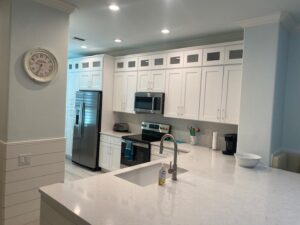
Kitchen storage plays a crucial role in maintaining cleanliness and organization. By offering a designated spot for each item, it helps keep counters clutter-free, reducing the risk of mishaps or accidents.

Not only does kitchen storage contribute to tidiness, but it also significantly impacts cooking efficiency and convenience. With proper storage systems in place, utensils and ingredients can be quickly located, making meal preparation smoother and faster.

Types of Kitchen Storage

Cabinets

Cabinets are common types of kitchen storage.

Standard cabinets

These offer ample space for various items like dishes, cups, pots or canned goods.

Corner cabinets

They utilize often wasted corner spaces efficiently.

Open shelving

This option provides easy access to frequently used items while showcasing your beautiful dishware.

Drawers

Drawers serve as excellent kitchen storage too.

Utensil drawers

They help segregate cutlery neatly ensuring they don’t get mixed up.

Deep drawers for pots and pans

These are perfect for heavy cookware that might be cumbersome on higher shelves.

Pantries

Pantries hold food supplies securely.

Walk-in pantries

Such pantries offer plenty of space with different sections catering to different food categories.

Cabinet pantries

More compact than walk-ins; ideal when there’s less available room.

Specialty Storage

For specific needs, special racks could serve purposefully:

  1. Spice racks: Easy accessibility while adding a splash of color to your decor.
  2. Wine racks: A stylish solution to store wine bottles safely.
  3. Pot racks: Provide convenient access to cooking pots.

Maximizing Small Kitchens

Small kitchens require smart usage:

  • Using vertical space,
  • Utilizing under-sink storage,
  • Implementing pull-out storage,
  • Adding hooks & racks ensure every inch is optimally utilized.

Organizing Kitchen Storage

Organizing involves:

  • Grouping similar items,
  • Using clear containers for visibility,
  • Labeling for easy identification, and
  • Regular decluttering to maintain order.

Choosing the Right Kitchen Storage

Select kitchen storage by:

  • Assessing your storage needs,
  • Considering your kitchen layout, and
  • Balancing aesthetics with functionality.

DIY Kitchen Storage Solutions

DIY solutions include repurposing items for storage or building shelves/racks. Creating hanging storage is another innovative way of making space.

Professional Kitchen Storage Solutions

Professional help could be hiring a professional organizer, getting custom kitchen designs done, or investing in high-quality systems ensuring lasting serviceability.

Maintenance and Upkeep of Kitchen Storage

For longer shelf-life, regular cleaning is essential along with repairing/replacing damaged parts timely. Updating as per changing needs ensures maximum utility.

Conclusion: The Value of Effective Kitchen Storage

Kitchen storage proves indispensable from cleanliness to efficiency aspects. It aids optimal usage of space while providing an organized cooking environment leading to overall enhanced culinary experiences.

FAQS:

1. What are some common types of kitchen cabinets? Standard cabinets, corner cabinets, and open shelving are a few examples.

2. How can I maximize a small kitchen’s space? Using vertical space, under-sink areas, and adding hooks & racks serve well.

3. How often should I clean my pantry/cabinets/drawers? Regular cleaning helps, but deep-cleaning once every 3 months keeps pests away too.

4. What are the benefits of organizing kitchen storage? An organized kitchen saves time, reduces waste, and improves overall efficiency, making meal prep easier and more enjoyable.


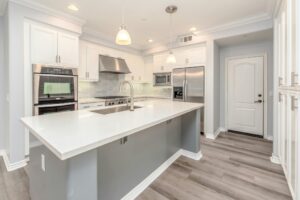
Kitchen storage plays a crucial role in maintaining cleanliness and organization. By offering a designated spot for each item, it helps keep counters clutter-free, reducing the risk of mishaps or accidents.

Not only does kitchen storage contribute to tidiness, but it also significantly impacts cooking efficiency and convenience. With proper storage systems in place, utensils and ingredients can be quickly located, making meal preparation smoother and faster.
Filed Under: Kitchen Remodeler Tagged With: Choosing the Right Kitchen Storage, Kitchen Storage Solutions, Maximizing Small Kitchens

Understanding Bathroom Renovation Costs

July 24, 2024 by waterstone 2 Comments

Renovating a bathroom is a significant investment that can enhance the comfort, functionality, and value of your home. Whether you are looking to create a spa-like retreat, update an outdated space, or improve accessibility, understanding the costs involved is crucial for effective planning and budgeting. This guide will help you navigate the various factors that influence bathroom renovation costs and provide practical tips for managing your project.

Bathroom Renovation Cost

Factors Influencing Bathroom Renovation Costs

1. Scope of Renovation

The extent of your renovation plays a major role in determining the overall cost. Here are the typical levels of renovation:

  • Cosmetic Upgrades: These include minor changes such as painting, replacing fixtures, and updating accessories. Costs typically range from $1,000 to $5,000.
  • Mid-Range Renovation: This involves more substantial updates, such as new flooring, tiles, countertops, and a new vanity. Expect to spend between $10,000 and $25,000.
  • High-End Renovation: For a complete overhaul, including custom cabinetry, luxury fixtures, and premium materials, costs can exceed $30,000.

2. Size of the Bathroom

The size of your bathroom significantly impacts the cost. Larger bathrooms require more materials and labor, leading to higher expenses. A small powder room will cost considerably less to renovate than a spacious master bathroom.

3. Materials and Finishes

The quality and type of materials you choose will affect your budget. Common material considerations include:

  • Tiles: Ceramic tiles are more affordable than natural stone or designer tiles.
  • Countertops: Options range from budget-friendly laminate to high-end quartz or marble.
  • Fixtures: Standard fixtures are less expensive than designer or custom options.
  • Cabinetry: Prefabricated cabinets are cheaper than custom-built ones.

4. Labor Costs

Labor costs vary based on your location and the complexity of the work. Skilled trades such as plumbing and electrical work can significantly increase costs. Hiring experienced professionals ensures quality work but comes at a higher price.

5. Plumbing and Electrical Work

Updating plumbing and electrical systems can be one of the most expensive aspects of a bathroom renovation. If your project involves moving plumbing lines or rewiring, be prepared for additional costs. Ensuring these systems meet current codes and standards is essential for safety and functionality.

6. Permits and Inspections

Depending on the scope of your renovation and local regulations, you may need permits and inspections. These can add to the overall cost but are necessary to ensure your renovation complies with building codes.

Breakdown of Bathroom Renovation Costs

1. Planning and Design

Before any work begins, planning and design are crucial. Hiring a professional designer can help you make the most of your space and avoid costly mistakes. Design fees typically range from $500 to $2,500.

2. Demolition

Removing old fixtures, tiles, and cabinetry is the first step in the renovation process. Demolition costs can range from $500 to $2,500, depending on the size of the bathroom and the extent of the work.

3. Plumbing and Electrical

Upgrading plumbing and electrical systems can be costly, especially if you are relocating fixtures. Plumbing work can cost between $1,000 and $5,000, while electrical work ranges from $500 to $3,000.

4. Flooring and Tiling

The cost of flooring and tiling depends on the materials you choose. Ceramic tiles typically cost $1 to $15 per square foot, while natural stone tiles range from $5 to $30 per square foot. Installation costs vary, averaging between $10 and $20 per square foot.

5. Fixtures and Fittings

Fixtures such as toilets, sinks, bathtubs, and showers are essential components of a bathroom renovation. The cost of these items varies widely:

  • Toilets: $100 to $1,000
  • Sinks: $100 to $1,500
  • Bathtubs: $400 to $8,000
  • Showers: $500 to $10,000

6. Cabinetry and Storage

Custom cabinetry and built-in storage solutions can enhance the functionality of your bathroom. Prefabricated cabinets cost between $100 and $1,000, while custom cabinets can range from $500 to $5,000 or more.

7. Countertops

Countertop costs depend on the material chosen. Laminate countertops are the most affordable, ranging from $10 to $40 per square foot. Quartz and granite are more expensive, costing between $50 and $150 per square foot.

8. Lighting

Proper lighting is essential in a bathroom. Costs vary based on the type and number of fixtures. Basic lighting can cost as little as $100, while high-end fixtures and custom lighting solutions can exceed $2,000.

9. Painting and Finishing

A fresh coat of paint can transform the look of your bathroom. Painting costs range from $200 to $1,000, depending on the size of the bathroom and the quality of the paint.

Tips for Managing Bathroom Renovation Costs

  1. Set a Budget: Determine how much you are willing to spend and stick to it. Include a contingency fund for unexpected expenses.
  2. Prioritize Needs vs. Wants: Focus on essential upgrades first and add luxury items if the budget allows.
  3. Get Multiple Quotes: Obtain quotes from several contractors to ensure you are getting a fair price.
  4. Choose Durable Materials: Investing in high-quality, durable materials can save money in the long run by reducing maintenance and replacement costs.
  5. Consider DIY: If you have the skills, consider handling some tasks yourself, such as painting or installing fixtures, to save on labor costs.

Frequently Asked Questions

Q1: How long does a bathroom renovation typically take?

The duration of a bathroom renovation depends on the scope of the project. A minor renovation may take a few weeks, while a major overhaul can take several months. On average, a complete bathroom renovation takes about four to six weeks, including planning, demolition, and construction.

Q2: Can I renovate my bathroom on a budget?

Yes, it is possible to renovate a bathroom on a budget. Consider focusing on cosmetic upgrades, such as painting, updating fixtures, and refinishing surfaces, rather than a full-scale renovation. Shopping for sales, using prefabricated materials, and doing some of the work yourself can also help reduce costs.

Q3: How can I increase the value of my home with a bathroom renovation?

A well-executed bathroom renovation can significantly increase the value of your home. To maximize return on investment, focus on quality materials, modern fixtures, and timeless design. Ensure the renovation improves functionality and aesthetics, appealing to potential buyers if you plan to sell your home in the future.


Renovating your bathroom is a substantial investment that requires careful planning and budgeting. By understanding the factors that influence costs and making informed decisions, you can create a beautiful, functional space that meets your needs and enhances your home’s value. At Total Home Remodeling, we are dedicated to helping you achieve your renovation goals, offering expert guidance and quality craftsmanship every step of the way.

Filed Under: Bathroom Remodeler Tagged With: bathroom renovation costs, effective planning and budgeting, Renovating a bathroom

Kitchen Renovation Ideas.

July 24, 2024 by waterstone 1 Comment

A kitchen renovation can be one of the most rewarding projects you undertake in your home. As the heart of the home, the kitchen is where meals are prepared, memories are made, and conversations flow. A well-thought-out renovation can enhance functionality, increase your home’s value, and create a space that reflects your personal style. Here are some innovative ideas to inspire your kitchen transformation.

Kitchen Renovation Ideas

1. Open Concept Layout

An open concept kitchen is a popular choice for modern homes, creating a seamless flow between the kitchen, dining, and living areas. This layout not only makes the space feel larger but also encourages family interaction and easier entertaining. Removing walls to open up the space can drastically change the look and feel of your home. To maintain a cohesive look, use similar colors and materials throughout the connected spaces.

2. Smart Storage Solutions

Effective storage is key to a functional kitchen. Consider incorporating custom cabinetry that utilizes every inch of space. Pull-out shelves, deep drawers for pots and pans, and built-in organizers can keep your kitchen clutter-free. Overhead cabinets reaching the ceiling can maximize vertical space, while an island with storage underneath can provide additional room for appliances and cookware.

3. Multi-Functional Island

A kitchen island can serve multiple purposes – from additional prep space and casual dining to storage and housing appliances. Consider including a sink or cooktop in your island to make it a true centerpiece of your kitchen. An overhang on one side can create a breakfast bar, providing a spot for quick meals or socializing while cooking.

4. High-Tech Appliances

Incorporating smart appliances can bring your kitchen into the 21st century. Look for refrigerators with touchscreens, ovens that can be controlled via smartphone, and dishwashers with advanced cleaning technologies. These appliances not only make life easier but can also increase the efficiency of your kitchen.

5. Statement Lighting

Lighting plays a crucial role in kitchen design, affecting both functionality and aesthetics. Layered lighting, including ambient, task, and accent lighting, can create a well-lit and inviting space. Pendant lights over an island, under-cabinet lighting, and a statement chandelier can add both style and practicality to your kitchen.

6. Sustainable Choices

Eco-friendly renovations are increasingly popular as homeowners become more environmentally conscious. Consider sustainable materials such as bamboo or recycled glass for countertops, energy-efficient appliances, and water-saving fixtures. Incorporating a recycling station into your kitchen design can also make it easier to manage waste.

7. Bold Backsplashes

A bold backsplash can be a focal point in your kitchen. Whether you choose colorful tiles, unique patterns, or a striking material like stainless steel or marble, a well-designed backsplash can add personality and style to your space. It also serves a practical purpose, protecting your walls from spills and splatters.

8. Colorful Cabinets

While white kitchens are timeless, adding a splash of color to your cabinets can create a unique and inviting atmosphere. Consider shades like navy blue, emerald green, or even a soft pastel for a more subtle touch. Pairing colored cabinets with neutral countertops and backsplashes can balance the look.

9. Open Shelving

Open shelving can give your kitchen an airy, modern feel. It’s a great way to display your favorite dishes, glassware, and cookbooks. However, it requires careful organization to avoid looking cluttered. Combining open shelves with traditional cabinets can offer the best of both worlds – display space and hidden storage.

10. Hardwood Floors

Hardwood floors add warmth and elegance to any kitchen. They are durable, timeless, and can be refinished to look new if they become worn. While natural wood is always a classic choice, engineered wood or luxury vinyl plank flooring can offer a similar look with added durability and moisture resistance.

11. Quartz Countertops

Quartz countertops are a popular choice for modern kitchens due to their durability, low maintenance, and wide range of color options. Unlike natural stone, quartz is non-porous, making it resistant to stains and bacteria. It’s an excellent choice for busy families looking for a high-performance countertop material.

12. Farmhouse Sink

A farmhouse sink, also known as an apron-front sink, can add a touch of rustic charm to your kitchen. These sinks are deep and wide, making them ideal for washing large pots and pans. Available in various materials such as porcelain, stainless steel, and fireclay, a farmhouse sink can be both functional and stylish.

13. Hidden Appliances

For a sleek and streamlined look, consider hiding your appliances behind cabinetry. Integrated refrigerators, dishwashers, and even microwaves can blend seamlessly with your cabinetry, creating a cohesive and uncluttered appearance. This approach is particularly effective in small kitchens where space is at a premium.

14. Unique Hardware

Updating your cabinet hardware is a simple way to refresh your kitchen’s look. Consider unique and stylish options such as brushed brass, matte black, or even crystal knobs. Hardware can be the finishing touch that ties your entire design together, adding personality and flair to your kitchen.

15. Cozy Breakfast Nook

If space allows, consider creating a cozy breakfast nook. This can be a built-in bench with a small table, providing a perfect spot for casual meals and coffee breaks. It can also serve as a multifunctional area for homework, reading, or simply enjoying the morning sun.

Frequently Asked Questions

Q1: How long does a kitchen renovation typically take?

The duration of a kitchen renovation depends on the scope of the project. A minor renovation might take a few weeks, while a major overhaul can take several months. It’s essential to plan for potential delays and ensure you have a temporary kitchen setup if the renovation is extensive.

Q2: What is the average cost of a kitchen renovation?

The cost of a kitchen renovation can vary widely based on the size of your kitchen, the materials used, and the extent of the changes. On average, a kitchen remodel can cost between $12,000 and $35,000. High-end renovations with custom features and premium materials can exceed $50,000.

Q3: How can I make my small kitchen feel larger?

To make a small kitchen feel larger, consider using light colors, reflective surfaces, and ample lighting. Open shelving, glass-front cabinets, and strategic placement of mirrors can also create an illusion of more space. Additionally, optimizing storage with custom cabinetry and multi-functional furniture can help keep the area organized and clutter-free.


A kitchen renovation is an exciting opportunity to enhance your home’s functionality and aesthetics. Whether you’re dreaming of an open concept layout, high-tech appliances, or a cozy breakfast nook, thoughtful planning and creative ideas can help you achieve the kitchen of your dreams. At Total Home Remodeling, we’re here to guide you through every step of the renovation process, ensuring your vision becomes a reality.

Filed Under: Kitchen Remodeler Tagged With: increase your home’s value, innovative ideas, kitchen renovation

Kitchen Design Ideas for Every Home

July 18, 2024 by waterstone 1 Comment

The kitchen is often considered the heart of the home—a space where families gather, meals are prepared, and memories are made. Whether you are planning a complete renovation or a simple update, the design of your kitchen plays a crucial role in its functionality and aesthetic appeal. With countless styles, layouts, and trends to consider, finding the perfect kitchen design can be a daunting task. Here, we explore various kitchen design ideas to inspire your next home improvement project and help you create a space that is both beautiful and practical.

1. Modern MinimalismKitchen Design Ideas for Every Home

Modern minimalist kitchens are characterized by clean lines, simple color palettes, and a clutter-free environment. This design emphasizes functionality and efficiency, making it ideal for smaller spaces or homeowners who prefer a sleek, contemporary look.

  • Color Scheme: Opt for neutral colors such as white, black, gray, or beige. Accent colors can be introduced through accessories or small appliances.
  • Cabinetry: Choose flat-panel or handleless cabinets to maintain a streamlined appearance.
  • Countertops: Materials like quartz, granite, or solid surface countertops work well. Consider waterfall edges for a more dramatic effect.
  • Lighting: Use recessed lighting, pendant lights, or under-cabinet lighting to enhance the space without overwhelming it.
  • Appliances: Stainless steel or black appliances complement the minimalist aesthetic.

2. Rustic Charm

Rustic kitchens evoke a warm, cozy feeling with their use of natural materials and earthy color schemes. This design is perfect for homeowners who appreciate a more traditional or country-style aesthetic.

  • Color Scheme: Warm tones such as brown, beige, cream, and muted greens or blues.
  • Cabinetry: Opt for wooden cabinets with a distressed or natural finish. Open shelving can also add to the rustic charm.
  • Countertops: Butcher block, soapstone, or granite countertops add a touch of authenticity.
  • Lighting: Consider vintage-style pendant lights, wrought iron fixtures, or chandeliers for a classic look.
  • Appliances: Vintage-inspired or matte-finish appliances can enhance the rustic feel.

3. Industrial Chic

Industrial kitchens are inspired by urban lofts and old factories, featuring raw materials and utilitarian design elements. This style is perfect for those who appreciate a bold, edgy look.

  • Color Scheme: Use a mix of neutral colors like gray, black, and white, with metallic accents.
  • Cabinetry: Opt for open shelving, metal-framed glass doors, or flat-panel cabinets with industrial hardware.
  • Countertops: Concrete, stainless steel, or reclaimed wood countertops add to the industrial vibe.
  • Lighting: Exposed bulbs, metal pendant lights, and track lighting are key elements.
  • Appliances: Stainless steel appliances are a must in an industrial kitchen.

4. Coastal Breeze

Coastal kitchens bring a light, airy feel reminiscent of the beach. This design is ideal for homes near the water or for those who wish to bring a bit of the seaside into their everyday lives.

  • Color Scheme: Soft blues, whites, and sandy neutrals dominate the coastal palette.
  • Cabinetry: White or light-colored cabinets, often with beadboard detailing or glass fronts.
  • Countertops: Light-colored quartz, marble, or granite work well in a coastal kitchen.
  • Lighting: Nautical-inspired lighting fixtures, such as lanterns or rope pendant lights.
  • Appliances: Stainless steel or white appliances complement the coastal theme.

5. Farmhouse Feel

Farmhouse kitchens combine the best of rustic and traditional design elements, creating a warm, inviting space. This style is perfect for families and those who enjoy a more homey, lived-in look.

  • Color Scheme: Neutral colors with pops of color through accessories or backsplashes.
  • Cabinetry: Shaker-style cabinets in white, gray, or pastel colors.
  • Countertops: Butcher block, quartz, or soapstone countertops.
  • Lighting: Classic pendant lights, chandeliers, or vintage-style fixtures.
  • Appliances: Consider incorporating a farmhouse sink and retro-style appliances.

6. Contemporary Elegance

Contemporary kitchens are defined by their blend of modern and traditional elements, offering a sophisticated yet functional design. This style is ideal for those who want a chic, timeless kitchen.

  • Color Scheme: Neutral colors with bold accents.
  • Cabinetry: Sleek, flat-panel cabinets with minimalist hardware.
  • Countertops: Quartz, granite, or marble countertops with clean lines.
  • Lighting: Statement pendant lights, recessed lighting, and under-cabinet lighting.
  • Appliances: High-end, stainless steel appliances with smart technology.

7. Eclectic Mix

Eclectic kitchens allow for creativity and personalization, combining elements from various styles and eras. This design is perfect for those who want a unique, individualized space.

  • Color Scheme: Mix and match colors and patterns to create a vibrant, dynamic look.
  • Cabinetry: Combine different styles and finishes for a one-of-a-kind appearance.
  • Countertops: Use a variety of materials, such as granite, wood, and tile.
  • Lighting: Incorporate a mix of lighting styles and fixtures.
  • Appliances: Choose appliances that fit your personal taste and needs.

Key Considerations for Kitchen Design

When designing your kitchen, keep the following factors in mind:

  1. Layout: The kitchen layout should prioritize functionality and workflow. The classic work triangle (connecting the sink, stove, and refrigerator) is a popular design principle.
  2. Storage: Ample storage is essential for maintaining a clutter-free kitchen. Consider incorporating pull-out shelves, lazy Susans, and custom cabinetry.
  3. Lighting: Good lighting is crucial for both functionality and ambiance. Layer your lighting with a combination of ambient, task, and accent lighting.
  4. Materials: Choose durable, easy-to-clean materials for countertops, backsplashes, and flooring.
  5. Budget: Set a realistic budget and prioritize spending on key elements such as cabinetry, countertops, and appliances.

Frequently Asked Questions

1. How do I choose the right kitchen design for my home?

Choosing the right kitchen design depends on your personal style, the overall aesthetic of your home, and your functional needs. Consider what elements are most important to you, such as storage, workspace, and style preferences. Visiting showrooms, browsing design magazines, and consulting with a professional designer can also help you make an informed decision.

2. What is the most cost-effective way to update my kitchen?

One of the most cost-effective ways to update your kitchen is by refinishing or repainting your cabinets instead of replacing them. Changing hardware, updating lighting fixtures, and adding a fresh coat of paint to the walls can also make a significant impact without a major investment. Prioritize improvements that offer the most visual and functional benefits within your budget.

3. How can I maximize storage in a small kitchen?

Maximizing storage in a small kitchen requires careful planning and creative solutions. Consider using vertical space by installing tall cabinets or open shelving. Pull-out shelves, lazy Susans, and drawer organizers can help make the most of available space. Utilize the inside of cabinet doors for additional storage, and opt for multi-functional furniture or appliances to save space.

Conclusion

Designing your dream kitchen involves balancing aesthetics with functionality. Whether you prefer the sleek look of modern minimalism, the cozy feel of a rustic kitchen, or the bold style of an industrial space, there are countless design ideas to inspire your project. By considering your personal style, functional needs, and budget, you can create a kitchen that is both beautiful and practical. At Total Home Remodeling, we are here to help you bring your vision to life, offering expert guidance and high-quality craftsmanship to ensure your kitchen is everything you’ve dreamed of and more.

Filed Under: Kitchen Design Tagged With: dream kitchen, ideas to inspire your next home improvement project, the perfect kitchen design

Can Kitchen Cabinets Be Refinished?

July 18, 2024 by waterstone 1 Comment

Refinishing kitchen cabinets can breathe new life into an outdated kitchen without the high cost of replacing them entirely. Many homeowners ponder whether refinishing their kitchen cabinets is a feasible and effective option. The short answer is yes—kitchen cabinets can indeed be refinished. However, understanding the process, benefits, limitations, and potential challenges is essential before diving into this home improvement project.Can Kitchen Cabinets Be Refinished?

The Process of Refinishing Kitchen Cabinets

Refinishing kitchen cabinets involves several key steps:

  1. Preparation: This is arguably the most critical phase. It includes removing the cabinet doors, drawers, and hardware. Proper labeling of each piece can save time and frustration during reassembly. Cleaning is essential to remove grease, dirt, and grime that have accumulated over time.
  2. Stripping the Old Finish: Depending on the existing finish, you may need to strip it off. This can involve sanding or using a chemical stripper. Sanding is effective but labor-intensive, while chemical strippers can be harsh and require careful handling.
  3. Repairs: Any dents, scratches, or imperfections should be repaired before applying a new finish. This might include filling in gaps or cracks with wood filler and sanding the surfaces smooth.
  4. Priming: Applying a primer ensures that the new paint or stain adheres well to the surface. Primers can also help to cover any old stains or colors, providing a clean slate for the new finish.
  5. Applying the New Finish: Depending on your desired outcome, you can choose between painting or staining. Painting allows for a wide range of colors and a completely new look, while staining enhances the natural beauty of the wood grain.
  6. Sealing: A protective sealant is applied to protect the new finish from wear and tear. This step is crucial for maintaining the longevity and durability of the refinished cabinets.
  7. Reassembly: Once the new finish is dry and cured, the cabinets are reassembled, and new or existing hardware is installed.

Benefits of Refinishing Kitchen Cabinets

Refinishing kitchen cabinets offers several advantages:

  1. Cost-Effective: Refinishing is significantly cheaper than replacing cabinets. It provides a fresh look without the expense of new cabinetry.
  2. Customizable: Refinishing allows for a high degree of customization. You can choose any color or finish that complements your kitchen decor.
  3. Sustainability: By refinishing instead of replacing, you are reducing waste and promoting sustainability. It’s an eco-friendly option that minimizes the demand for new wood.
  4. Increased Home Value: A modern, updated kitchen can increase your home’s value. Refinishing cabinets is a cost-effective way to achieve a high-end look that appeals to potential buyers.
  5. Less Disruption: Refinishing cabinets typically involves less disruption to your daily life compared to a full kitchen remodel. The process is quicker, and you can often still use your kitchen during the project.

Limitations and Challenges

While refinishing kitchen cabinets is a great option, there are some limitations and challenges to consider:

  1. Labor-Intensive: The process requires significant time and effort. Proper preparation, stripping, and finishing are labor-intensive tasks that demand attention to detail.
  2. Skill Level: Achieving a professional finish requires some level of skill and experience. Mistakes in sanding, staining, or painting can be difficult to correct and can affect the overall appearance.
  3. Condition of Existing Cabinets: Refinishing is most effective on solid wood cabinets. Cabinets made of particleboard or laminate may not yield the same results. Significant damage or warping can also limit the effectiveness of refinishing.
  4. Chemical Exposure: The use of chemical strippers and finishes can expose you to harmful fumes and substances. Proper ventilation and protective gear are essential to ensure safety.
  5. Time-Consuming: While less time-consuming than a full replacement, refinishing still requires several days to complete, considering the drying and curing times for various products.

DIY vs. Professional Refinishing

Deciding between a DIY approach and hiring professionals depends on several factors:

  1. Experience: If you have experience with DIY projects and feel confident in your skills, refinishing cabinets can be a rewarding project. However, lack of experience can lead to mistakes that may be costly and time-consuming to fix.
  2. Time: Consider how much time you can dedicate to the project. Professional refinishing services can complete the job more quickly and efficiently.
  3. Tools and Materials: Professionals have access to high-quality tools and materials that may not be available to the average homeowner. They also have the expertise to use them effectively.
  4. Finish Quality: Professional refinishers can achieve a smooth, durable finish that may be challenging to replicate with DIY methods.

Frequently Asked Questions

1. Can all types of kitchen cabinets be refinished?

Refinishing is most effective on solid wood cabinets. While it is possible to refinish cabinets made from materials like particleboard or laminate, the results may not be as satisfactory. These materials do not absorb stains well and may require specialized techniques or additional preparation.

2. How long does the refinishing process take?

The duration of the refinishing process depends on several factors, including the size of your kitchen, the condition of the cabinets, and the chosen finish. Generally, it can take anywhere from a few days to a couple of weeks. This includes time for preparation, applying multiple coats of finish, and allowing adequate drying and curing time.

3. Is it cheaper to refinish or replace kitchen cabinets?

Refinishing kitchen cabinets is typically much cheaper than replacing them. Replacement involves purchasing new cabinets, possibly altering the kitchen layout, and additional labor costs for installation. Refinishing leverages the existing cabinet structure, requiring fewer materials and less labor, resulting in significant cost savings.

Conclusion

Refinishing kitchen cabinets is an excellent option for homeowners looking to update their kitchens without the high costs and disruption of a full remodel. It offers a customizable, cost-effective, and environmentally friendly way to achieve a fresh, modern look. While the process can be labor-intensive and requires a certain level of skill, the results can be stunning and increase the value of your home. By understanding the benefits, limitations, and frequently asked questions, you can make an informed decision about whether refinishing is the right choice for your kitchen.

Filed Under: cabinets Tagged With: Benefits of Refinishing Kitchen Cabinets, breathe new life into an outdated kitchen, The Process of Refinishing Kitchen Cabinets

  • « Go to Previous Page
  • Page 1
  • Interim pages omitted …
  • Page 4
  • Page 5
  • Page 6
  • Page 7
  • Page 8
  • Interim pages omitted …
  • Page 10
  • Go to Next Page »

Primary Sidebar

We believe that there is no remodeling project that is too small or too big for us. We would be glad to put together a competitive yet quality estimate that will give you what you want at an affordable price. Contact us today for a free estimate!  612-800-0616

Footer

Contact Us

Total Home Remodeling
(612) 800-0616

Email: totalhomeremodelingmn@gmail.com

© Copyright 2022 Total Home Remodeling, All Rights Reserved

Search Our Site

  • MN Home Remodeling Contractors
  • About Us
  • MN Deck Builders
  • Remodeling Services
  • MN Kitchen Remodeling Contractors
  • MN Basement Remodeling Near Me
  • MN Bathroom Remodeling Contractors
  • Contact Us Now for a Free Estimate!
  • Disclaimer
  • Privacy Policy
  • Terms of Use
  • HTML Site Map
  • Blog

Recent Blog Posts

  • Transform Your Kitchen: The Ultimate Guide To Choosing The Perfect Backsplash
  • Transform Your Kitchen: The Ultimate Guide To Choosing The Perfect Countertops
  • DIY Kitchen Remodel: Step-By-Step Guide To A Budget-Friendly Transformation
  • Green Makeover: Transforming Your Kitchen Into An Eco-Friendly Haven
  • Transform Your Kitchen: The Ultimate Guide To Choosing The Perfect Flooring

MN Service Area
