• Skip to primary navigation
  • Skip to main content
  • Skip to primary sidebar
  • Skip to footer

Total Home Remodeling

  • Home
  • Our Process
  • About Us
  • Remodeling
    • Basement
    • Bathroom
      • Walk In Bathtubs
    • Kitchen
    • Additions
    • Decks
      • DIY Deck Building
    • Basement Waterproofing
    • Restoration
  • Blog
  • Contact Us
  • FAQ
  • Cabinet
You are here: Home / Blog

Blog

Revamp Your Kitchen: The Essential Guide To Choosing The Perfect Kitchen Sink

July 26, 2024 by waterstone 2 Comments

Types of Kitchen SinksKitchen Sink

When choosing a kitchen sink, you have several types to consider. The design and layout of your kitchen can help determine which one is the best fit.

Top-Mount Sinks

Top-mount sinks, also known as drop-in or self-rimming sinks, are mounted directly on top of the countertop with their rim overhanging the counter surface. This type is straightforward to install and works well with any kind of countertop material.

Undermount Sinks

An undermount sink attaches beneath the countertop. This style provides a seamless look between your counter and sink, making it easy to swipe crumbs straight into the basin without them getting caught on an exposed lip like they would in a top-mount model.

Farmhouse Sinks

Farmhouse or apron-front sinks feature large forward-facing sections that replace part of the counter. These models make washing large pots easier by reducing strain from reaching over cabinets into deep basins.

Corner Sinks

If you have limited space or an unusual layout in your kitchen, corner designs may be perfect for you. As suggested by their name, these units fit perfectly into corners, maximizing available space effectively.

Bar Sinks

Bar sinks, also known as prep sinks, are secondary small basins usually installed alongside main ones. They’re ideal for preparing food items away from dirty dishes in primary basins or filling pots without moving around too much.

Materials Used in Kitchen Sinks

Different materials offer varying levels of durability, aesthetics, maintenance requirements, and costs:

Stainless Steel

Stainless steel models dominate kitchens worldwide due to being lightweight yet robust, resisting chips, stains, and rust well. They are also affordable compared to other options available.

Cast Iron

Cast iron variants boast remarkable longevity thanks to a porcelain enamel finish that imparts an attractive glossy look while shielding the underlying metal against damage, thereby maintaining a pristine appearance even after years of constant usage.

Fireclay

Fireclay resembles cast iron but is even more durable. It’s created by molding ceramic clay into the shape of a sink and firing it at very high temperatures, resulting in a material that withstands heat and heavy use.

Copper

Copper sinks possess antimicrobial properties besides a unique rustic charm that improves with age as a natural patina develops over time, enhancing the overall visual appeal of the kitchen.

Granite Composite

Granite composite blends crushed granite or quartz with resin fillers, producing a highly resistant, hard-wearing option that gives a luxurious look to kitchens while tolerating heat exceptionally well.

Choosing the Right Sink for Your KitchenKitchen Sink Types
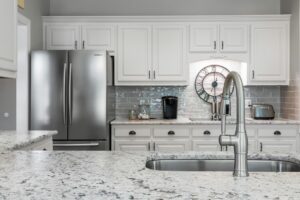
Selecting an appropriate kitchen sink involves considering multiple factors:

Assessing Your Kitchen Size

Larger kitchens can accommodate bigger or double-bowl sinks, whereas smaller ones may only allow small single-bowl units.

Considering Your Cooking and Cleaning Habits

Those frequently washing large pots and pans might prefer deep basins or farmhouse designs, while others who cook less often may find top-mount models sufficient.

Matching the Sink with Your Kitchen Decor

Different materials and colors suit varying themes: Stainless steel works seamlessly in modern minimalist setups, while copper or farmhouse models fit perfectly in traditional rural-style interiors.

Budget Considerations

Higher-end materials like copper or fireclay tend to cost more compared to stainless steel or cast iron counterparts, so choose according to budget constraints.

Installation of Kitchen Sinks

Kitchen sinks can be installed professionally or DIY if you have adequate knowledge and the right tools on hand:

Professional Installation

Professional plumbers guarantee precise fitment and ensure all connections are secure, thereby reducing potential leaks or problems later down the line.

DIY Installation

A DIY approach helps save professional fees, though it requires the necessary skills, tools, and ample patience to ensure things go smoothly without hitches caused by errors during the process.

Necessary Tools for Installation

Commonly required tools include measuring tape, level, hacksaw or jigsaw (for cutting countertop holes), wrenches, plumber’s putty or caulk, and safety equipment like gloves and goggles.

Safety Measures During Installation

Always cut carefully to avoid injury, making sure not to damage surrounding areas or countertops. Additionally, confirm all connections are securely tightened to prevent leaks.

Maintenance and Cleaning of Kitchen Sinks

Regular cleaning and maintenance help prolong your sink’s lifespan:

Regular Cleaning Tips

Daily rinsing after use, combined with weekly deep cleaning using appropriate cleaners, ensures stain-free, sparkling sinks.

Dealing with Common Issues Like Clogs and Leaks

Unblocking clogged drains is usually possible by using plungers or chemicals, or calling professionals when necessary. Fix minor leaks immediately to prevent them from escalating into bigger problems.

When to Call a Professional for Help

Major repairs or issues like persistent leaks, clogs, or sink replacements are best left to experts due to their complex nature, requiring specialized skills and tools.

Environmental Considerations

Eco-conscious homeowners will appreciate these environmental considerations:

Water-Saving Features

Faucets equipped with aerators reduce water flow, thereby saving precious resources without compromising performance.

Energy-Efficient Models

Insulated units minimize heat loss from hot water, helping save energy costs over time, especially for electrically heated ones.

Sustainable Materials

Sinks made from recycled content contribute towards sustainable living while reducing carbon footprints significantly.

Future Trends in Kitchen Sinks

Modern kitchen sinks incorporate various innovative features aligning with the latest trends:

Smart Sinks

Smart designs come with built-in sensors that automatically control water flow (touchless operation), maintaining hygiene while conserving water effectively.

Multifunctional Sinks

Multifunctional units integrate cutting boards, drying racks, etc., improving efficiency by catering to diverse needs seamlessly within the same space, ensuring maximum utility for each inch of available area.

Eco-Friendly Designs

Eco-friendly options are increasingly popular as they utilize green production methods and materials, reducing overall environmental impact while delivering excellent functionality and style simultaneously.

Making the Most of Your Kitchen Sink

Maximize your kitchen sink’s functionality, enhance aesthetics, and ensure longevity with these tips:

Maximizing Functionality

Choose double-bowl designs or add accessories like colanders or basket strainers to improve utility.

Enhancing Kitchen Aesthetics

Pick a model that complements your kitchen décor and theme, creating harmonious, appealing visuals.

Ensuring Longevity and Durability

Invest in high-quality, durable materials to ensure long-lasting performance. Regular maintenance and cleaning are also crucial for prolonging the lifespan.

FAQs

Q: How often should I clean my sink? A: Daily rinsing after use along with weekly deep cleaning is recommended to maintain hygiene and prevent stain buildup.

Q: Which material is best for sinks? A: Each material offers unique benefits, so choose one that suits your personal needs and preferences. Stainless steel remains popular for its affordability and durability, while cast iron and fireclay provide premium alternatives.

Q: Can I install a sink myself? A: Yes, you can if you have the necessary skills, tools, and time; however, professional installation guarantees precision and secure connections, reducing future issues or problems.

Contents

Filed Under: Kitchen Design Tagged With: double-bowl designs, Kitchen Sinks, water flow

Smart Kitchen Storage Solutions: Transform Your Cooking Space Efficiently

July 25, 2024 by waterstone 1 Comment

Importance of Kitchen Storage

Kitchen storage plays a crucial role in maintaining cleanliness and organization. By offering a designated spot for each item, it helps keep counters clutter-free, reducing the risk of mishaps or accidents.

Not only does kitchen storage contribute to tidiness, but it also significantly impacts cooking efficiency and convenience. With proper storage systems in place, utensils and ingredients can be quickly located, making meal preparation smoother and faster.

Types of Kitchen StorageKitchen Storage

Cabinets

Cabinets are a common type of kitchen storage.

Standard Cabinets

These offer ample space for various items like dishes, cups, pots, or canned goods.

Corner Cabinets

They utilize often wasted corner spaces efficiently.

Open Shelving

This option provides easy access to frequently used items while showcasing your beautiful dishware.

Drawers

Drawers serve as excellent kitchen storage solutions.

Utensil Drawers

They help segregate cutlery neatly, ensuring they don’t get mixed up.

Deep Drawers for Pots and Pans

These are perfect for heavy cookware that might be cumbersome on higher shelves.

Pantries

Pantries hold food supplies securely.

Walk-in Pantries

These pantries offer plenty of space with different sections catering to various food categories.

Cabinet Pantries

More compact than walk-ins, they are ideal when there’s less available room.

Specialty Storage

For specific needs, special racks could serve purposefully:

  • Spice Racks: Easy accessibility while adding a splash of color to your decor.
  • Wine Racks: A stylish solution to store wine bottles safely.
  • Pot Racks: Provide convenient access to cooking pots.

Maximizing Small Kitchens

Small kitchens require smart usage:

  • Using vertical space,
  • Utilizing under-sink storage,
  • Implementing pull-out storage,
  • Adding hooks and racks to ensure every inch is optimally utilized.

Organizing Kitchen StorageStorage Cabinets

Organizing involves:

  • Grouping similar items,
  • Using clear containers for visibility,
  • Labeling for easy identification,
  • Regular decluttering to maintain order.

Choosing the Right Kitchen Storage

Select kitchen storage by:

  • Assessing your storage needs,
  • Considering your kitchen layout,
  • Balancing aesthetics with functionality.

DIY Kitchen Storage Solutions

DIY solutions include repurposing items for storage or building shelves/racks. Creating hanging storage is another innovative way of making space.

Professional Kitchen Storage Solutions

Professional help could involve hiring a professional organizer, getting custom kitchen designs done, or investing in high-quality systems ensuring lasting serviceability.

Maintenance and Upkeep of Kitchen Storage

For longer shelf-life, regular cleaning is essential along with repairing/replacing damaged parts timely. Updating as per changing needs ensures maximum utility.

Conclusion: The Value of Effective Kitchen Storage

Kitchen storage proves indispensable from cleanliness to efficiency aspects. It aids optimal usage of space while providing an organized cooking environment, leading to overall enhanced culinary experiences.

FAQS:

1. What are some common types of kitchen cabinets? Standard cabinets, corner cabinets, and open shelving are a few examples.

2. How can I maximize a small kitchen’s space? Using vertical space, under-sink areas, and adding hooks and racks serve well.

3. How often should I clean my pantry/cabinets/drawers? Regular cleaning helps, but deep-cleaning once every three months keeps pests away too.

Contents

Filed Under: Kitchen Design Tagged With: cleanliness and organization, Organizing Kitchen Storage, Types of Kitchen Storage

Transform Your Kitchen: The Ultimate Guide To Choosing The Perfect Kitchen Tiles

July 25, 2024 by waterstone 1 Comment

I. Types of Kitchen TilesKitchen Tiles

A. Ceramic Tiles

Ceramic tiles are a common and versatile option for kitchen flooring.

1. Pros and Cons

  • Pros: Durable, easy to clean, available in various designs.
  • Cons: Susceptible to chipping or cracking if heavy objects fall on them.

2. Cost

Ceramic tiles are generally an affordable choice compared to other tile types, with costs varying based on quality and design.

B. Porcelain Tiles

Porcelain tiles offer premium quality with their denseness and less porousness than ceramic tiles.

1. Pros and Cons

  • Pros: Resistant to stains, low water absorption rate, suitable for moist areas like kitchens.
  • Cons: Higher cost, difficult to cut due to their density.

2. Cost

Porcelain tiles are higher-end in the price spectrum among tile materials.

C. Glass Tiles

Glass tiles add a modern touch with their reflective property that can brighten up your kitchen space.

1. Pros and Cons

  • Pros: Easy cleanup from spills or splatters, adds brightness to the kitchen.
  • Cons: Fragility against impacts, leading to cracks or shattering.

2. Cost

Glass tile costs range from mid-level to high, depending upon the complexity of designs.

D. Stone Tiles

Stone tiles provide a natural aesthetic, enhancing a rustic look.

1. Pros and Cons

  • Pros: Unique appearance, natural beauty.
  • Cons: Requires regular sealing against moisture penetration.

2. Cost

Prices vary drastically based on the type of stone (e.g., granite vs. marble).

II. Choosing the Right Kitchen Tiles

Considerations when selecting kitchen tiles include style preference, budget constraints, durability needs, and maintenance requirements.

A. Consider Your Kitchen’s Style

Choose tiles that complement the overall design and theme of your kitchen.

B. Think About Durability

Select tiles that can withstand the wear and tear of a busy kitchen environment.

C. Keep Your Budget in Mind

Balance your tile selection with your financial plan, ensuring you get the best value for your money.

D. Consider Maintenance Requirements

Opt for tiles that match your willingness to perform regular maintenance and cleaning.

III. Installation of Kitchen Tiles

A. Preparing the Surface

Ensure the surface is clean, dry, and level before laying any tiles.

B. Laying the Tiles

Carefully lay out the tiles, ensuring even spacing and alignment.

C. Grouting the Tiles

Apply grout between the tiles to seal the gaps and provide stability.

D. Sealing the Tiles

Seal the entire surface to protect against moisture infiltration and stains.

IV. Cleaning and Maintenance of Kitchen Tiles

A. Daily Cleaning Tips

Regularly mop with a damp cloth to remove dirt and spills.

B. Deep Cleaning Methods

Use specific tile cleaners for a thorough clean periodically.

C. Tips for Maintaining the Shine and Look

Polish the tiles regularly to maintain their shine and appearance.

V. Trends in Kitchen TilesTile Trends

A. Popular Colors and Patterns

Geometric patterns, vibrant colors, and bold designs are trending.

B. Tile Size Trends

Large-format tiles are becoming increasingly popular for a seamless look.

C. Innovative Materials and Finishes

Matte finishes and innovative materials like recycled glass are in vogue.

VI. Case Studies of Kitchen Tile Transformations

A. Before and After Photos

Examine transformations to get inspired by real-life examples.

B. Homeowner Interviews

Learn from homeowners about their experiences and choices.

C. Cost and Time Estimates

Get insights into the cost and timeline of kitchen tile projects.

VII. Common Mistakes to Avoid When Choosing Kitchen Tiles

A. Overlooking the Importance of Texture

Texture affects both aesthetics and functionality; choose wisely.

B. Ignoring the Size of the Tile

Tile size impacts the overall look and feel of the kitchen.

C. Not Considering the Grout Color

Grout color can dramatically alter the appearance of your tiles.

VIII. Conclusion: Making Your Kitchen Shine with the Right Tiles

A. Recap of Key Points

Choosing the right tiles involves considering aesthetics, durability, cost, and maintenance.

B. Final Thoughts on the Importance of Choosing the Right Kitchen Tiles

The right kitchen tiles can significantly enhance the overall appearance and functionality of your kitchen, making it a more enjoyable space.

FAQ

What Types of Tiles Are Best for Kitchens?

The best tiles for kitchens include ceramic, porcelain, glass, and stone, each offering unique benefits.

How Much Does It Cost to Install New Kitchen Tiles?

The cost varies based on the type of tile, size of the kitchen, and installation method. Ceramic tiles are generally affordable, while stone and porcelain tiles tend to be more expensive.

What Are Some Common Mistakes When Choosing Kitchen Tiles?

Common mistakes include overlooking texture, ignoring tile size, and not considering grout color, all of which can impact the final result dramatically.

Contents

Filed Under: Kitchen Design Tagged With: durability, Kitchen Tiles, Tile Size

Optimal Kitchen Ventilation: Key To A Successful Kitchen Remodel

July 25, 2024 by waterstone 1 Comment

Importance of Kitchen Ventilation

Kitchen ventilation plays a crucial role in maintaining the health and safety of your home. It provides several significant benefits.

Health Benefits

Ventilation systems help reduce smoke, steam, and odors that can cause discomfort or even pose a risk to your health if inhaled excessively. This is especially beneficial for individuals with respiratory issues such as asthma or allergies.

Prevention of Damage to Kitchen Appliances and Surfaces

Without proper ventilation, grease particles from cooking can accumulate on appliances and surfaces over time, causing potential damage or malfunctioning. A well-ventilated kitchen helps prevent this buildup, thus extending the lifespan of these items.

Improvement of Air Quality

A good kitchen ventilation system improves overall air quality by removing harmful pollutants produced during cooking, like carbon monoxide and nitrogen dioxide.

Types of Kitchen Ventilation SystemsKitchen Ventilation

When considering options for improving kitchen airflow, you’ll encounter three main types: exhaust fans, range hoods, and downdraft ventilation systems.

Exhaust Fans

Exhaust fans are typically installed in the ceiling or wall to expel stale air outwards from your house while drawing fresh air inside. They work best when placed near where most cooking takes place – often above stoves or ovens.

Range Hoods

Range hoods sit directly over cooktops, collecting smoke and fumes upward through filters before exhausting it outside. They also provide lighting above stovetops, which aids visibility during meal preparation.

Downdraft Ventilation

Downdraft vents pull smoke downwards instead – beneath floor level, then outdoors via ductwork. These are particularly useful in kitchens where overhead installation isn’t feasible.

Factors to Consider When Choosing a Kitchen Ventilation System

Before purchasing any type of system, consider factors such as the size and layout of your kitchen, personal cooking habits, and budget constraints.

Size of the Kitchen

The larger the space, the more powerful the system required for effective ventilation.

Cooking Habits

If you cook frequently or use methods that produce a lot of smoke, opt for systems with high CFM (cubic feet per minute) ratings.

Budget

Prices vary widely based on model, brand, and features offered. Keep in mind that a higher price doesn’t necessarily equate to better performance.

Kitchen Layout

Some kitchens might not accommodate certain systems due to space constraints or design.

Installation of Kitchen Ventilation Systems

Installation can be handled professionally or DIY depending on your skills and comfort level dealing with electrical wiring.

Professional Installation vs. DIY

Professional installers ensure correct setup, minimizing risks related to improper installation like fire hazards while also saving time. If opting for DIY, make sure you fully understand the process before proceeding.

Necessary Tools and Materials

Tools typically needed include a drill, screws, duct tape, among others, plus materials such as the vent hood itself and ductwork if not provided.

Safety Precautions

Always switch off power at the breaker box before starting work and consider wearing safety gear including gloves and eye protection.

Maintenance of Kitchen Ventilation SystemsVentilation Maintenance

Regular cleaning and maintenance ensure smooth operation while prolonging the lifespan of these appliances.

Regular Cleaning

Clean surfaces regularly, removing grease build-up which could potentially ignite, causing a fire risk.

Replacement of Filters

Filters should be replaced periodically since, over time, they become less effective at trapping pollutants due to saturation.

Troubleshooting Common Issues

Learn how to diagnose common problems like the motor not running or the fan making unusual noises – it could save the cost associated with hiring professionals for minor repairs.

Energy Efficiency and Kitchen Ventilation

Energy-efficient models help reduce energy consumption, resulting in lower utility bills over time while also being environmentally friendly.

Energy-Saving Tips

Remember to turn the system off when not cooking, and use the lowest necessary speed setting to conserve energy usage.

Energy-Efficient Models

Certain brands offer ENERGY STAR certified models designed to use less energy without compromising performance.

Legal and Building Code Requirements for Kitchen Ventilation

Before installing any ventilation system, check local regulations and comply with relevant building codes.

Local Regulations

These may vary widely; hence it’s important to verify what applies within your jurisdiction.

Compliance with Building Codes

Building codes often stipulate certain requirements related to ventilation system installation, such as minimum CFM ratings or specific ducting materials – failing compliance could result in penalties.

Conclusion: The Role of Ventilation in a Functional Kitchen

Recap of Key Points

Choosing the right ventilation system involves considering health benefits, prevention of damage to kitchen appliances, improvement of air quality, and factors like kitchen size, cooking habits, budget, and layout.

Final Thoughts

Proper kitchen ventilation safeguards health by reducing indoor air pollution, protects valuable appliances and surfaces from potential damage, and improves overall comfort during cooking. Investing in an appropriate system yields long-term dividends, enhancing not only functionality but also the enjoyment of your kitchen space.

FAQ Section

Q1: What is the role of a kitchen exhaust fan?
A: An exhaust fan helps remove smoke, odors, and heat produced while cooking, maintaining a clean and comfortable indoor environment.

Q2: How frequently should I clean my range hood filters?
A: Depending on usage, but typically once every three months is recommended.

Q3: Are there regulations governing the installation of kitchen ventilations?
A: Yes, depending on location, there might be local regulations or building code requirements that need adherence before installation can commence.

Q4: Why do we need energy-efficient models?
A: They help reduce electricity consumption, which translates into cost savings over time, apart from being environmentally friendly.

Contents

Filed Under: Kitchen Remodeler Tagged With: Improvement of Air Quality, Kitchen ventilation, Maintenance of Kitchen Ventilation Systems

Transform Your Kitchen: Top Window Treatments For A Stunning Remodel

July 25, 2024 by waterstone 1 Comment

Kitchen window treatments play significant roles, impacting aesthetics, functionality, practicality, and natural lighting.

Role in Kitchen Aesthetics

Window treatments can enhance your kitchen’s style and theme. They come in different colors, patterns, and materials that add visual interest.

Functionality and Practicality

Window treatments offer control over light exposure while adding an extra layer of insulation, which can help reduce energy costs.

Impact on Natural Lighting

Depending on the material or type chosen, window treatments regulate the amount of sunlight entering the room, affecting mood as well as visibility during cooking or cleaning tasks.Window Treatment

Different Types of Kitchen Window Treatments

There are various types available: curtains, blinds, shades, and shutters. Each has its unique pros and cons, plus best-suited styles.

Curtains

Pros and Cons

Curtains bring a soft touch but may absorb odors or get dirty easily due to their fabric nature.

Ideal Kitchen Styles for Curtains

Best used for rustic or traditional kitchens where a cozy atmosphere is desired.

Blinds

Pros and Cons

Blinds offer precise control over light and privacy but can be difficult to clean and may not suit every decor style.

Ideal Kitchen Styles for Blinds

Ideal for modern or minimalist kitchens where clean lines and functionality are prioritized.

Shades

Pros and Cons

Shades provide a sleek look and good light control but may offer less versatility in adjusting light compared to blinds.

Ideal Kitchen Styles for Shades

Perfect for contemporary or transitional kitchens where a streamlined look is desired.

Shutters

Pros and Cons

Shutters are durable and provide excellent light control and insulation but can be expensive and more complex to install.

Ideal Kitchen Styles for Shutters

Suited for coastal or cottage-style kitchens where a classic and durable option is needed.

Factors to Consider When Choosing Kitchen Window Treatments

It’s crucial to consider several factors before deciding – style/decor matches, desired natural light levels, privacy needs, and maintenance aspects.

Kitchen Style and Decor

Choose window treatments that complement your kitchen’s overall aesthetic and color scheme.

Amount of Natural Light Desired

Consider how much natural light you want in your kitchen and select treatments that allow for the right level of light control.

Privacy Needs

Evaluate the need for privacy in your kitchen and choose treatments that provide the desired level of seclusion.

Maintenance and Cleaning

Factor in the ease of cleaning and maintenance required for each type of window treatment.

Tips for Installing Kitchen Window Treatments

Measuring Windows Correctly

Accurate measurements ensure a perfect fit for your window treatments. Measure the width and height of your windows carefully.

Choosing the Right Hardware

Select hardware that matches your decor and can support the weight and type of your window treatments.

Installation Process

Understand the installation process to avoid surprises. Follow manufacturer instructions or consider professional installation if needed.

Care and Maintenance of Kitchen Window TreatmentsKitchen Windows

Cleaning Tips for Different Materials

Different types of window treatments require distinct cleaning routines. Follow guidelines for cleaning fabric, wood, or synthetic materials.

Regular Maintenance Practices

Regular maintenance helps prolong the lifespan of your window treatments. Inspect for wear and tear and address issues promptly.

When to Replace Window Treatments

Know when it’s time to replace your window treatments to prevent them from becoming noticeable eyesores.

Cost Considerations for Kitchen Window Treatments

Price Range for Different Types

Window treatment prices vary depending on type, material, and size. Compare prices to find options within your budget.

Factors Affecting Cost

Consider additional factors like installation charges and customized options when budgeting for window treatments.

Tips for Budgeting

Plan your budget carefully to manage expenses without compromising on quality.

Conclusion: Choosing the Right Kitchen Window Treatment

Recap of Key Points

Choosing the right window treatments involves considering aesthetics, functionality, light control, and cost.

Final Thoughts

The right window treatment can enhance your kitchen’s appearance, improve energy efficiency, and provide necessary privacy and light control.

FAQ Section

What is the Best Kitchen Window Treatment?

The best treatment depends on your kitchen’s style, your light control needs, and your budget.

How to Choose a Kitchen Window Treatment?

Consider factors like aesthetics, functionality, light control, privacy needs, and maintenance requirements.

Can I Install Them Myself or Do I Need a Professional?

While some treatments are DIY-friendly, others may require professional installation for the best results.

This comprehensive guide provides detailed information about all aspects related to kitchen window treatments, helping you make an informed decision.

Contents

Filed Under: Kitchen Design Tagged With: Maintenance and Cleaning, the Best Kitchen Window Treatment, window treatments

  • « Go to Previous Page
  • Page 1
  • Interim pages omitted …
  • Page 3
  • Page 4
  • Page 5
  • Page 6
  • Page 7
  • Interim pages omitted …
  • Page 15
  • Go to Next Page »

Primary Sidebar

We believe that there is no remodeling project that is too small or too big for us. We would be glad to put together a competitive yet quality estimate that will give you what you want at an affordable price. Contact us today for a free estimate!  612-800-0616

Footer

Contact Us

Total Home Remodeling
(612) 800-0616

Email: totalhomeremodelingmn@gmail.com

© Copyright 2022 Total Home Remodeling, All Rights Reserved

Search Our Site

  • MN Home Remodeling Contractors
  • About Us
  • MN Deck Builders
  • Remodeling Services
  • MN Kitchen Remodeling Contractors
  • MN Basement Remodeling Near Me
  • MN Bathroom Remodeling Contractors
  • Contact Us Now for a Free Estimate!
  • Disclaimer
  • Privacy Policy
  • Terms of Use
  • HTML Site Map
  • Blog

Recent Blog Posts

  • Transform Your Kitchen: The Ultimate Guide To Choosing The Perfect Backsplash
  • Transform Your Kitchen: The Ultimate Guide To Choosing The Perfect Countertops
  • DIY Kitchen Remodel: Step-By-Step Guide To A Budget-Friendly Transformation
  • Green Makeover: Transforming Your Kitchen Into An Eco-Friendly Haven
  • Transform Your Kitchen: The Ultimate Guide To Choosing The Perfect Flooring

MN Service Area