• Skip to primary navigation
  • Skip to main content
  • Skip to primary sidebar
  • Skip to footer

Total Home Remodeling

  • Home
  • Our Process
  • About Us
  • Remodeling
    • Basement
    • Bathroom
      • Walk In Bathtubs
    • Kitchen
    • Additions
    • Decks
      • DIY Deck Building
    • Basement Waterproofing
    • Restoration
  • Blog
  • Contact Us
  • FAQ
  • Cabinet
You are here: Home / Blog

Blog

Revamp Your Cooking Space: Essential Kitchen Appliances For Your Remodel

July 31, 2024 by waterstone 2 Comments

Importance of Kitchen Appliances

Kitchen appliances play significant roles in our daily lives. They not only streamline food preparation but also impact cooking efficiency and the quality of food we consume.

Role in Daily Life

From refrigerators that store our groceries to stoves that cook them, kitchen appliances are essential for every household. They help simplify and speed up the food preparation process, making our lives more convenient and efficient.

Impact on Cooking Efficiency

Kitchen appliances help make cooking more efficient by reducing the time and effort it takes to prepare meals. For example, microwaves can quickly reheat leftovers, while food processors can chop ingredients in seconds.

Contribution to Food Quality

High-quality kitchen appliances can improve the overall taste and nutrition value of cooked food. For instance, a high-end oven ensures even cooking, preserving the flavors and nutrients of the food.

Types of Kitchen AppliancesTypes of Kitchen Appliances
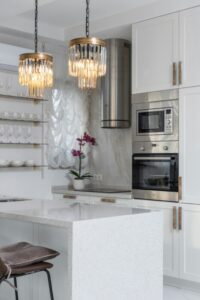
There are two main categories: large and small kitchen appliances. Each has unique features designed for specific functions within your kitchen space.

Large Appliances

Refrigerators

Refrigerators are key components in preserving perishables like fruits, vegetables, dairy products, and more. Modern refrigerators come with advanced features such as temperature control, humidity drawers, and water dispensers.

Ovens

Ovens provide an easy way to bake or roast foods. They come in various types, including conventional, convection, and microwave ovens, each offering different cooking methods to suit various recipes.

Dishwashers

Dishwashers contribute immensely towards cleaning efforts after meals. They save time and water compared to hand washing and come with various settings for different types of dishes and levels of dirtiness.

Small Appliances

Microwaves

Microwaves are essential for quickly reheating food and cooking certain dishes. They offer convenience and speed, making them a staple in most kitchens.

Blenders

Blenders are versatile tools for making smoothies, soups, and sauces. High-powered blenders can even crush ice and blend tough ingredients like nuts and seeds.

Coffee Makers

Coffee makers provide the daily caffeine fix for many people. They range from simple drip coffee machines to advanced espresso makers, catering to different tastes and preferences.

Choosing the Right Kitchen Appliances

To choose suitable kitchen appliances, consider these factors:

Assessing Your Needs

Identify the appliances that are essential for your cooking habits and lifestyle. For example, if you love baking, a high-quality oven should be a priority.

Budget Considerations

Set a budget for your kitchen appliances. Prices vary greatly based on brand, features, and quality. Look for appliances that offer the best value within your budget.

Space and Layout

Consider the available space in your kitchen and how the appliances will fit into the layout. Ensure there is enough room for all appliances without crowding the space.

Energy Efficiency

Energy-efficient appliances can save you money on utility bills and reduce your environmental footprint. Look for appliances with high energy efficiency ratings.

Maintenance and Care

Proper maintenance and care are essential for the longevity and performance of your kitchen appliances.

Regular Cleaning

Clean your appliances regularly to prevent build-up of grime and food particles. Follow the manufacturer’s instructions for cleaning to avoid damaging the appliances.

Periodic Servicing

Some appliances require periodic servicing to maintain their performance. Schedule regular check-ups for appliances like refrigerators and ovens to ensure they are working efficiently.

Repairing Minor Issues

Address minor issues promptly to prevent them from becoming major problems. For instance, replace worn-out seals on refrigerators or fix loose handles on ovens.

Upgrading Old Appliances

Consider upgrading old appliances that are no longer efficient or reliable. Newer models often offer better performance and energy efficiency.

Technological Advancements

Technological advancements have significantly impacted the functionality and convenience of kitchen appliances.

Smart Appliances

Smart appliances can be controlled remotely via smartphones and integrate with home automation systems. They offer features like remote monitoring, automatic adjustments, and voice control.

Energy-Saving Features

Modern appliances come with energy-saving features that help reduce electricity consumption. Look for appliances with Energy Star ratings and other eco-friendly certifications.

Advanced Cooking Functions

Newer appliances offer advanced cooking functions such as air frying, steam cooking, and precision temperature control. These features enhance the versatility and efficiency of your kitchen.

Impact on LifestyleKitchen Appliance Maintenance
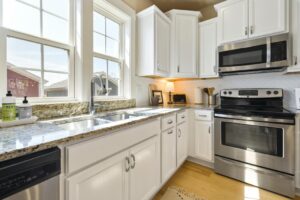
Kitchen appliances have a profound impact on our lifestyle by enhancing convenience, saving time, and improving the quality of our meals.

Convenience

Appliances like dishwashers, microwaves, and coffee makers make daily tasks more convenient, freeing up time for other activities.

Healthier Eating

Appliances like blenders, steamers, and slow cookers enable healthier cooking methods, promoting better nutrition and well-being.

Family Time

Efficient kitchen appliances reduce the time spent on meal preparation and cleanup, allowing more quality time with family and friends.

Conclusion

Kitchen appliances are indispensable tools that enhance our daily lives by improving cooking efficiency, food quality, and overall convenience. By choosing the right appliances, maintaining them properly, and staying updated with technological advancements, you can create a kitchen that meets your needs and supports a healthy, efficient lifestyle.

FAQs

Q: What’s the most durable material for kitchen appliances?

A: Stainless steel is typically seen as the most durable material for kitchen appliances due to its resistance to rust and staining.

Q: Is it worth investing in smart kitchen appliances?

A: It depends on your needs and preferences. Smart appliances offer convenience and advanced features but may come at a higher cost.

Q: How often should I clean my kitchen appliances?

A: For daily use kitchens, once a week cleaning is recommended to remove dust and grime build-up. Some appliances, like coffee makers and ovens, may require more frequent cleaning depending on usage.

Contents

Filed Under: Kitchen Appliances Tagged With: cooking, Smart Appliances, Types of kitchen appliances

Revamp Your Space: Essential Guide To Choosing The Perfect Kitchen Cabinets

July 30, 2024 by waterstone 1 Comment

Types of Kitchen Cabinets

There are four main types of kitchen cabinets:

Base Cabinets

Base cabinets are standard under-the-counter storage units. They typically feature one drawer with closed cabinetry beneath, providing ample space for storing pots and pans.

Wall Cabinets

Wall cabinets are mounted above counters or stoves, offering convenient access to dishes and cooking tools while maximizing vertical space in the kitchen.

Tall Cabinets

Tall cabinets extend from floor to ceiling, providing maximum storage space, especially beneficial in small kitchens where every inch of space matters.

Custom Cabinets

Custom cabinets allow homeowners to tailor their cabinetry to meet specific needs and style preferences, offering personalized storage solutions and unique designs.

Materials Used in Kitchen CabinetsKitchen Cabinet Material

Cabinets can be made from several materials:

Wood

Durable hardwoods like oak, cherry, or maple provide long-lasting beauty and durability but can be expensive.

Plywood

Plywood is an affordable alternative that offers strength and resilience against moisture damage, making it a practical choice for kitchen cabinetry.

Medium-Density Fiberboard (MDF)

MDF is another cost-effective option that resists warping better than solid wood in humid climates, providing a stable and reliable material for cabinets.

Cabinet Door Styles

The door style significantly contributes to the overall aesthetic of your kitchen:

Shaker

Shaker doors are a popular choice characterized by five-piece doors with flat panels, offering a timeless and versatile look.

Louvered

Louvered doors feature slatted designs, perfect for spaces requiring ventilation, and add a unique architectural element to the kitchen.

Flat Panel

Flat panel doors have a modern, minimalist design, making them ideal for contemporary kitchen styles.

Inset

Inset doors sit inside the cabinet frames, providing a classic yet pricey option that offers a clean and refined look.

Choosing the Right Kitchen Cabinets

To choose suitable kitchen cabinets, consider the following factors:

  • Assessing Your Kitchen Space: Ensure there is enough room without hindering mobility.
  • Determining Your Budget: Prices vary greatly based on material and design.
  • Selecting the Right Material: Choose materials that suit climatic conditions and usage.
  • Choosing the Appropriate Style: Match the cabinet style with your kitchen decor.
  • Considering Functionality and Storage Needs: Base decisions on the number of family members and storage requirements.

Installation of Kitchen Cabinets

The installation process includes:

  1. Preparing the Area: Clear the space and ensure it is level.
  2. Installing Base Cabinets: Start with the base cabinets, ensuring they are securely fastened and level.
  3. Installing Wall Cabinets: Mount wall cabinets above the base units.
  4. Adding Finishing Touches: Install hardware and adjust doors and drawers for a perfect fit.

Maintenance and Care of Kitchen CabinetsMaintenance of Kitchen Cabinets

To keep your cabinets in top condition:

  1. Regular Cleaning: Wipe with a damp cloth regularly to remove dust and grime.
  2. Repairing Minor Damages: Fix small scratches and dings using repair kits.
  3. Refinishing or Repainting: Refresh old cabinets with a new coat of paint or finish.
  4. Replacing Hardware: Swap out knobs and pulls for an affordable and easy update.

Trends in Kitchen Cabinets

Latest trends include:

  • Color Variety: Pastels and bold colors are becoming popular.
  • Smart Tech Integration: Incorporating smart technology for added convenience.
  • Sustainable Materials: Using eco-friendly materials for a greener kitchen.
  • Minimalistic Designs: Embracing clean lines and simple, functional designs.

Making the Most of Your Kitchen Cabinets

Maximize storage and enhance aesthetics with these tips:

  • Utilize All Available Space: Use organizers and custom inserts to make the most of every inch.
  • Match Design and Colors: Coordinate your cabinet design and colors with the overall kitchen decor.
  • Increase Home Value: Well-maintained cabinetry can significantly boost your home’s market value.
  • Ensure Longevity: Regular care and maintenance extend the life of your cabinets.

FAQs

Q: What’s the most durable material for kitchen cabinets?

A: Hardwood is typically seen as more durable, but plywood and MDF offer good resistance against humidity and water damage.

Q: Is it worth getting custom-designed kitchen cabinets?

A: It depends on budget considerations and specific needs/preferences. Custom cabinets offer personalized solutions but can be more expensive.

Q: How often should I clean my kitchen cabinets?

A: For daily use kitchens, once a week cleaning is recommended to remove dust and grime build-up.

Contents

Filed Under: cabinets Tagged With: Trends, Types of Kitchen Cabinets, Wall Cabinets

Top Kitchen Design Trends: Transform Your Space For Function And Style

July 30, 2024 by waterstone Leave a Comment

Importance of Kitchen Design

The kitchen plays a critical role in every home. It serves as the heart of the house, where families gather to cook, eat, and socialize. Consequently, its design greatly influences a home’s overall value.

Role of The Kitchen in A Home

Traditionally viewed merely as a place for preparing meals, modern kitchens have evolved into multi-functional spaces integral to daily life.

Impact on Home Value

A well-designed kitchen can significantly enhance your home’s market value. Potential buyers often pay particular attention to this area during property viewings.

Factors To Consider In Kitchen DesignKitchen Design Factors

Designing your dream kitchen requires thoughtful consideration of several factors including space layout, functionality, aesthetics, and budget constraints.

Space And Layout

Size Of The Kitchen

Kitchen size should be proportionate to the overall house size while accommodating all necessary appliances and features comfortably.

Position Of Appliances And Furniture

Strategic placement optimizes efficiency and ensures smooth movement within the space.

Functionality

Ease Of Movement

Your kitchen layout should facilitate easy access between workstations like stove-top cooking areas or sinks.

Storage Solutions

Smart storage solutions help maintain an organized workspace free from clutter.

Aesthetics

Color Schemes

Color choices set the mood and influence the perception of room sizes – light colors make rooms appear larger whereas dark hues create cozier atmospheres.

Material Choices

Quality materials contribute durability besides aesthetic appeal but remember they also affect costs incurred.

Budget

Cost Of Materials

Different materials come at varying price points; selecting cost-effective options allows you to remain within budget without compromising quality too much.

Labor Costs

Don’t forget labor expenses when calculating total expenditure required for renovation projects.

Popular Kitchen Design Styles

Today’s homeowners enjoy an array of styles ranging from modern minimalism through rustic farmhouse looks to chic industrial themes depending on personal tastes or existing architecture surrounding spaces.

Modern

Sleek, streamlined, and functional defines the modern kitchen style.

Traditional

Elegant and timeless, traditional designs evoke a sense of history.

Farmhouse

Farmhouse kitchens exhibit warmth and comfort with their vintage charm.

Industrial

The industrial design trend showcases raw materials for an urban, edgy look.

Key Elements In Kitchen DesignPopular Kitchen Design

Every element contributes to your overall kitchen design – cabinets, countertops, appliances, and lighting being key among them.

Cabinets

Types Of Cabinets

Cabinet types range from base models standing on floors or wall-mounted versions through tall pantry styles providing additional storage space.

Cabinet Materials

Wood remains popular due to its natural beauty; however, metal and glass alternatives provide sleek modern aesthetics too.

Countertops

Types Of Countertops

Countertop options include slab surfaces like granite or quartz as well as tile and laminate variations. These offer affordable price points with durability and resistance against heat, stains, and scratches, enhancing the visual appeal of kitchens significantly.

Countertop Materials

Material choice dictates both functionality and cost. Different materials have unique benefits and drawbacks. Careful selection is required to meet individual requirements within set budgets, ideally after consulting professionals or industry experts.

Appliances

Essential Kitchen Appliances

Appliances form an integral part of every kitchen. Choosing the right ones depends largely on personal cooking habits and preferences, besides budget constraints. Capacity, features, brand reputation, quality, and longevity are important considerations when selecting appropriate machines to enhance utility, convenience, and usability.

Appliance Placement

Strategic placement of essential appliances ensures easy access, improved efficiency, and overall design harmony. This enhances unity, balance, orderliness, organization, neatness, cleanliness, hygiene, and safety.

Lighting

Types Of Lighting

Incorporating various types of lighting, including task, ambient, and accent lights, can greatly enhance the functionality and aesthetics of your kitchen.

Lighting Placement

Placement is crucial in ensuring that every area of the kitchen is well-lit, making tasks easier while also improving safety.

Tips For Designing A Kitchen

When designing a kitchen, there are several tips you can follow to ensure that your project is successful.

Planning And Research

Before beginning any kitchen redesign, it’s important to plan and research. This involves determining what you want in a new kitchen, setting a budget, and exploring different design ideas.

Seeking Professional Advice

Consulting with a professional designer can be incredibly helpful. They can provide advice based on their experience and expertise that could save you from making costly mistakes.

Considering Future Needs

Consider future needs when designing your kitchen. For example, if you plan on expanding your family or aging in place, these factors should influence the design decisions you make today.

Common Mistakes In Kitchen Design

When planning a new kitchen design, it’s essential to avoid common pitfalls which could impact functionality or aesthetics negatively.

Ignoring The Kitchen Triangle

The arrangement of the sink, stove, and refrigerator – known as the ‘kitchen triangle’ – influences efficiency significantly. Ignoring this crucial layout principle may lead to an impractical kitchen space.

Insufficient Storage

Lack of storage leads to cluttered countertops, affecting productivity adversely. Ample storage provisions must always be included within designs.

Poor Lighting

A poorly lit room impairs visibility, leading to difficulties during meal preparations. Ensure adequate lighting solutions are incorporated throughout spaces, ensuring bright, inviting kitchens that are easy to work within.

Conclusion: The Value Of Good Kitchen Design

Kitchen design holds great importance beyond aesthetic appeal alone. It directly impacts daily life quality by enhancing functional ease with user-friendly features combined with appealing visual elements. This creates ideal environments for cooking, socializing, and relaxing, making every moment spent within the kitchen truly worthwhile, meaningful, and fulfilling.

FAQs

  1. What are some factors to consider in kitchen design?
    • Space and layout, functionality, aesthetics, and budget are key factors to consider when designing a kitchen.
  2. What is the importance of good kitchen design?
    • Good kitchen design can enhance a home’s market value, improve functionality in meal preparation areas, offer efficient use of space, and provide an aesthetically pleasing environment.
  3. How does the placement of appliances impact my kitchen’s function?
    • Strategic appliance placement can optimize efficiency while ensuring smooth movement within the space. The arrangement between your sink, stove, and refrigerator – known as the ‘kitchen triangle’ – should be kept unobstructed for maximum efficiency.
  4. Why should I consult with a professional designer?
    • A professional designer has expertise that could help you avoid costly mistakes or oversights during your redesign project. Their experience enables them to foresee potential issues related to function or aesthetics before they occur.

Contents

Filed Under: Kitchen Design Tagged With: Budget, Design Styles, Size Of The Kitchen

Mastering Kitchen Electrical Work: Essential Guide For Your Remodel

July 30, 2024 by waterstone 1 Comment

Importance of Kitchen Electrical Work

The role of electrical work in the kitchen goes beyond powering appliances. It is fundamental for safety, functionality, and meeting building codes.

Safety Considerations

Safety comes first in any construction or remodeling project. With electricity, mishaps can lead to fires or electrocution. Appropriate wiring ensures that your kitchen remains safe for everyone.

Functionality and Convenience

A well-planned electrical layout boosts kitchen functionality. Strategic placement of outlets allows easy access when you need to plug in appliances like a blender, toaster, or microwave.

Compliance with Building Codes

Your local area has specific building codes concerning electrical installations. These rules ensure safety standards are maintained within all structures, including kitchens.

Basic Concepts in Kitchen Electrical WorkKitchen Electrical Work

Before undertaking any form of kitchen electric work, it’s crucial to grasp some basic concepts:

Understanding Electrical Circuits

Electrical circuits provide paths where electricity flows from power sources to devices/appliances and back again.

Familiarity with Common Kitchen Appliances and Their Power Requirements

Different appliances have varied power requirements which affect how they’re wired into your home’s circuitry system.

Knowledge of Electrical Symbols and Diagrams

These symbols represent different elements within an electrical system, such as switches and lights.

Planning Kitchen Electrical Layout

When planning your kitchen’s electrical layout, there are key things you should consider:

Positioning of Appliances

This affects where sockets will be placed – usually behind each appliance or nearby on the wall surface.

Placement of Outlets and Switches

Outlets should be conveniently located while maintaining adherence to safety standards, whereas light switches should be ideally positioned near entrances and exits.

Lighting Considerations

Good lighting design enhances visibility and sets the mood – consider task lighting over countertops.

Steps in Kitchen Electrical InstallationElectrical Layout

Kitchen installations involve several steps such as:

Preparing the Workspace

Clear space ensuring it’s free from obstructions before starting work.

Installing Outlets and Switches

Once your plan is ready, install outlets and switches according to the layout.

Wiring Appliances

Ensure every appliance is wired correctly for its power needs.

Setting Up Lighting Fixtures

Set up fixtures based on the lighting plan ensuring proper illumination.

Common Kitchen Electrical Problems and Solutions

Overloaded Circuits

Overloading occurs when more current flows in the circuit than it can handle. Solution: Spread electrical usage across multiple circuits or upgrade the existing one.

Faulty Wiring

This presents potential fire hazards. Solution: Always engage professionals to do wiring tasks.

Inadequate Lighting

Poorly lit kitchens impede functionality. Solution: Install sufficient task, ambient, and accent lighting.

Hiring a Professional Electrician

Sometimes, it’s best to hire a professional electrician:

When to Hire a Professional

Complex tasks like setting up new circuits are better left to professionals who understand safety regulations and technical aspects.

What to Look For in an Electrician

Choose an experienced, licensed electrician with good reviews and reasonable rates.

Cost Considerations

Factor in both labor costs and material expenses.

Maintenance and Safety Tips

Regular inspection and maintenance ensure the kitchen remains safe over time, while emergency procedures should be well-known just in case of accidents.

Compliance with Electrical Codes

Adhering to local codes ensures that your work meets minimum safety standards while avoiding penalties from non-compliance.

Case Studies

Learning from successful projects as well as mistakes made by others provides invaluable insights for anyone planning similar work.

Conclusion

Doing correct electrical work within the kitchen promotes efficiency whilst enhancing safety levels. Understanding key concepts along with observing due diligence during installation and maintenance processes is vital.

FAQs

  1. Why is my circuit breaker tripping frequently?
    • This might be due to an overloaded circuit or faulty appliances drawing too much power.
  2. Can I do my own kitchen electrical work?
    • While some minor tasks can be done personally, major works like installing new circuits should be handled by a professional.
  3. Why are my lights dimming in the kitchen?
    • This could indicate a poor connection or inadequate power supply to your lighting fixtures. Consulting with an electrician is recommended.

Contents

Filed Under: Kitchen Remodeler Tagged With: Electrical Circuits, Electrical Installation, Electrical Layout, Outlets and Switches

Top Kitchen Faucet Choices For Your Remodel: A Guide To Style And Functionality

July 29, 2024 by waterstone Leave a Comment

Types of Kitchen Faucets

There are several types of kitchen faucets to consider for your home. The choice often depends on personal preference, functionality needs, and the existing kitchen design.

Pull-down Faucets

Pull-down faucets have a tall spout with a spray head that pulls down straight into the sink. They offer high-arch designs and are ideal for deep sinks. This type is perfect for rinsing large pots and cleaning the entire sink with ease.

Pull-out Faucets

Pull-out faucets also have spray heads, but they pull out towards you horizontally. They’re useful in kitchens with limited space around the sink area. The flexible hose allows for more maneuverability, making it easier to fill pots on the countertop.

Single Handle Faucets

Single-handle faucets operate using one lever to control both water temperature and flow rate. This offers simplicity and ease of use when operating your faucet. They are ideal for those who prefer a minimalist design and easy control.

Double Handle Faucets

Double-handle faucets allow separate control over hot and cold water with two handles located on either side of the spout, providing more precise temperature adjustment than single-handle models. They often add a classic look to the kitchen.

Touchless Faucets

Touchless or hands-free models use sensors to activate water flow, reducing germ transfer while making cooking or cleaning tasks easier. These faucets are great for maintaining hygiene and convenience in the kitchen.

Factors to Consider When Choosing a Kitchen FaucetChoosing a Kitchen Faucet.

Several factors come into play when choosing a suitable kitchen faucet:

Material and Finish

The material affects durability while the finish impacts aesthetics:

  1. Stainless Steel: Durable, easy to clean, resists corrosion.
  2. Chrome: Shiny finish; susceptible to scratches but easier on the budget.
  3. Bronze: Gives a vintage appearance; requires special care to prevent discoloration over time.

Size and Reach

Consider the spout height and reach based on cabinet size above the sink or inside window sills behind it without interfering with normal operations. Ensure the faucet fits well in your kitchen layout.

Installation/Mounting Holes

Existing mounting holes determine the type and style compatible with installation. Three holes are typically required for double-handle or with sprayer units, whereas a single hole suffices for other styles/models.

Price/Budget

Pricing ranges vary widely from basic options under $100 to high-end units costing several hundred dollars. Determine your budget to find a faucet that meets your needs without overspending.

Popular Kitchen Faucet Brands

Moen

Moen offers a wide range of styles and finishes coupled with spot-resistant technology and power clean spray tech.

Delta

Delta faucets are known for touch technology and MagnaTite docking, which keeps the pull-down sprayer in place.

Kohler

Kohler products are noted for their durability and design variety, including sweep spray technology.

American Standard

American Standard provides affordable models with robust functionality, ensuring good value for money.

Pfister

Pfister brand comes with advanced tech such as react touch-free activation and Xtract filter mode.

How to Install a Kitchen Faucet

Tools Needed

Basic tools like adjustable wrenches, pliers, etc., are needed along with a bucket or towel to manage water drips.

Removing the Old Faucet

Turn off the water supply lines under the sink; remove the nuts holding the faucet, then lift the old unit out.

Installing the New Faucet

Position the new faucet into mounting holes on the sink; tighten the locking nuts below using a wrench. Connect the water-supply lines (hot/cold), checking the manual for proper instructions.

Testing Installation

Check for leaks by turning on the water supply slowly – repair any dripping or running issues immediately.

Maintaining Your Kitchen FaucetKitchen Sink

Regular maintenance helps prolong lifespan:

Regular Cleaning

Remove grime buildup regularly using mild soap and water, followed by drying with a cloth to prevent staining or spotting.

Dealing with Leaks

Tighten loose components first – if the leak persists, you might need to replace worn-out parts or seals.

When to Call a Professional

Complex repairs involving valve or cartridge replacement often require professional help to avoid further damage.

Environmental Considerations

Consider eco-friendly faucets that conserve resources without sacrificing performance:

Water-Saving Faucets

These designs use less water per minute than traditional models but still provide ample pressure.

Energy-Efficient Models

Incorporate thermostats to limit the amount of hot water drawn from the heater, saving energy.

FAQ

  1. How often should I replace my kitchen faucet?
    • Typically, kitchen faucets should be replaced every 15-20 years, but this can vary based on usage and maintenance.
  2. What are the signs of a faulty faucet?
    • Signs include leaks, reduced water pressure, difficulty in turning handles, and rust or mineral build-up.
  3. Can I install a kitchen faucet myself or do I need to hire a professional?
    • You can install a kitchen faucet yourself if you have the necessary tools and follow safety precautions. However, for complex installations, hiring a professional is recommended.

Choose the right faucet for your needs, balancing style, functionality, and cost. It’s not just about looks but also about adding value to your everyday life in the kitchen.

Contents

Filed Under: Kitchen Design Tagged With: Choosing a Kitchen Faucet, Faucet Brands, Types of Kitchen Faucets

  • « Go to Previous Page
  • Page 1
  • Page 2
  • Page 3
  • Page 4
  • Interim pages omitted …
  • Page 15
  • Go to Next Page »

Primary Sidebar

We believe that there is no remodeling project that is too small or too big for us. We would be glad to put together a competitive yet quality estimate that will give you what you want at an affordable price. Contact us today for a free estimate!  612-800-0616

Footer

Contact Us

Total Home Remodeling
(612) 800-0616

Email: totalhomeremodelingmn@gmail.com

© Copyright 2022 Total Home Remodeling, All Rights Reserved

Search Our Site

  • MN Home Remodeling Contractors
  • About Us
  • MN Deck Builders
  • Remodeling Services
  • MN Kitchen Remodeling Contractors
  • MN Basement Remodeling Near Me
  • MN Bathroom Remodeling Contractors
  • Contact Us Now for a Free Estimate!
  • Disclaimer
  • Privacy Policy
  • Terms of Use
  • HTML Site Map
  • Blog

Recent Blog Posts

  • Transform Your Kitchen: The Ultimate Guide To Choosing The Perfect Backsplash
  • Transform Your Kitchen: The Ultimate Guide To Choosing The Perfect Countertops
  • DIY Kitchen Remodel: Step-By-Step Guide To A Budget-Friendly Transformation
  • Green Makeover: Transforming Your Kitchen Into An Eco-Friendly Haven
  • Transform Your Kitchen: The Ultimate Guide To Choosing The Perfect Flooring

MN Service Area